What is an emergency fund?
What you'll learn
Understand what an emergency fund is, how big it should be, and where to keep it.
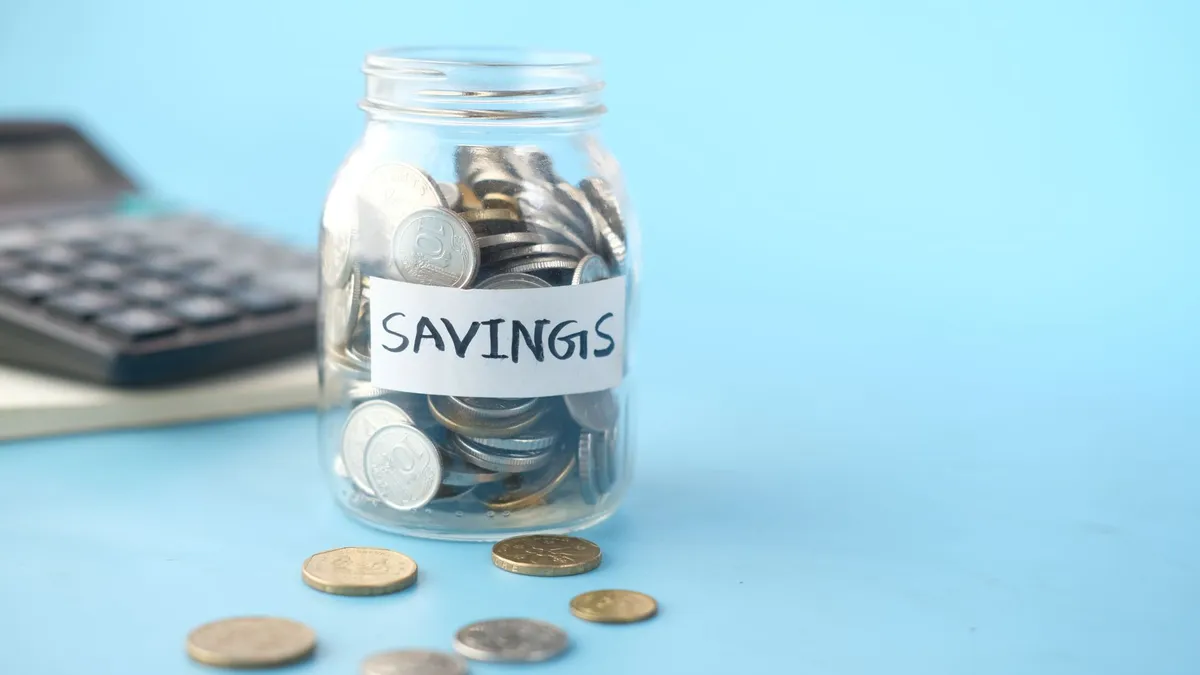
An emergency fund is a stash of cash set aside for life's nasty surprises - a job loss, a broken boiler, a sudden bill. Its whole job is to stop a shock turning into debt. It is the first safety net to build.
How big should it be?
A common guide is three to six months of essential outgoings. But the full target can feel huge, so build it in stages:
- Starter - one month of essentials. This alone stops many crises becoming debt.
- Core - three months, for most people with steady income.
- Larger - six months or more, if your income is irregular or your job less secure.
Base it on your essential costs (rent, food, bills, transport), not your whole lifestyle.
Sizing it
| Target | Months of essentials | Rough example (£1,500/month) |
|---|---|---|
| Starter | 1 | £1,500 |
| Core | 3 | £4,500 |
| Larger | 6 | £9,000 |
The example assumes £1,500 of monthly essentials, purely to show how the goal scales.
Where to keep it
- In easy-access savings, separate from your current account so you are not tempted to spend it.
- Not locked in a fixed term, and not invested where the value can drop just when you need it.
- Top it back up after you dip in.
Key takeaways
- An emergency fund is cash for genuine surprises, so they do not become debt.
- Aim for three to six months of essential costs, built up in stages.
- Keep it in easy-access savings, separate and safe.
- Refill it whenever you have to use it.
Illustrative only: example targets based on £1,500 of essential monthly costs, to show how the goal scales. Your number depends on your own outgoings and job security. Not a forecast.
Frequently asked questions
How big should my emergency fund be?
A common guide is three to six months of essential outgoings. If your income is irregular or your job less secure, lean towards the higher end. A first goal of one month is a solid start.
Where should I keep an emergency fund?
Somewhere safe and easy to reach, such as an easy-access savings account separate from your current account. It should not be locked away or invested where its value can fall when you need it.
Should I clear debt or build an emergency fund first?
A small starter fund first stops you reaching for more debt in a crisis. Beyond that, clearing high-interest debt usually comes before building the full fund.
General information, not financial advice. The value of investments can fall as well as rise, and figures and rules can change; check the current position before acting.