The 45 Best Personal Finance Books for UK Investors (2026)
A curated reading list for UK investors, sorted by where you are now - foundations first, then mindset, FIRE, and deeper dives for when you want them.
Read one. Read it twice if it is good. The rest can wait.
Walk into the personal finance section of any UK bookshop and roughly 80% of what you see is chaff: get-rich-quick property courses dressed as books, "manifest abundance" self-help, boomer lectures about skipping the latte you cannot afford anyway, and single-author crypto or options "systems" that exist mainly to sell the next course. The list below is what survives once you strip that out. Every book here earns its place by changing how you think about money, not by selling you a system.
A good personal finance book does three things at once: it tells you the truth about risk and returns, it teaches behaviour that survives a bad decade, and it does not pretend that complicated equals smart. Most do one out of three. The few that manage all three are the ones we keep recommending to friends in the pub, which is the only recommendation engine that matters.
UK relevance matters more than most readers realise. American books default to 401(k)s, Roth IRAs, mortgage interest deductions, and a tax code that does not exist here. UK readers need to translate every chapter into ISAs, SIPPs, the personal allowance, tapered tax thresholds, and a housing market that behaves nothing like the American one. We have called out which books are US-centric, which are written for UK readers from the ground up, and which translate cleanly with a small mental adjustment.
How we picked: tested ideas over hot takes, dateless principles over current-year gimmicks, evidence over anecdote, and UK applicability wherever the topic touches tax, pensions, or housing. None of these books will make you rich next year. All of them will make the next forty years of decisions easier.
Sort by
Where to start
New to investing or unsure where to begin? Pick one of these three.
Start here
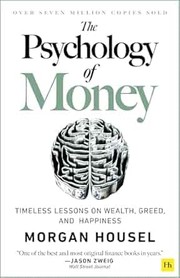
The Psychology of Money
Morgan Housel
Best for: Anyone who is good at maths but bad with money
Nineteen short, almost folksy chapters on why money is more about behaviour than spreadsheets. Housel argues compellingly that getting wealthy and staying wealthy are different skills, and that ordinary people often beat geniuses because they have a longer time horizon and less ego.
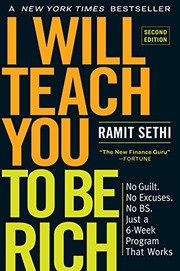
Best for: Anyone who wants a weekend plan to set up their finances
A six-week walk-through of the practical mechanics: bank accounts, credit cards, automating savings, and starting to invest. Sethi is American and his account types do not all map to the UK, but the system itself transfers cleanly. Best read alongside our UK-specific take.
Best for: Anyone unsure what to actually invest in
The clearest case ever made for the low-cost index fund, written by the man who invented it. Bogle shows mathematically why the average active fund cannot beat its benchmark net of fees, and why the "winning" strategy is to stop trying to win and own the market itself.
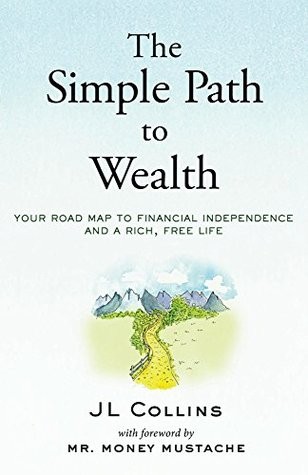
Best for: FIRE readers who want one short book that says "do this and stop"
Originally written as a series of letters to Collins's daughter, this is the FIRE community's default beginner book for a reason. The argument is simple: spend less than you earn, invest the rest in a total-market index fund, and keep doing it for decades. Short, opinionated, and almost certainly the most-recommended personal finance book on Reddit and the Bogleheads forum.
The "if you only read three" books. Index investing, the case for simplicity, and getting your house in order.
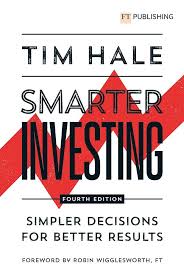
Smarter Investing
Tim Hale
Best for: UK investors who want the index-fund case in pounds and pence
The British answer to Bogle. Hale rebuilds the argument for evidence-based, low-cost, globally diversified investing using UK examples, UK tax wrappers, and UK fund choices. If you only buy one investing book as a UK reader, this is probably it.
Best for: Beginners who want a complete soup-to-nuts plan
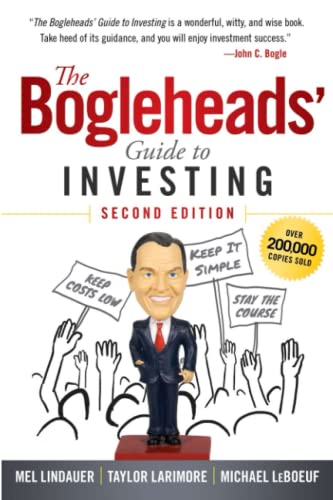
The community companion to Bogle's philosophy. Covers the three-fund portfolio, asset allocation, tax optimisation, and almost every practical question a new investor asks. Comprehensive without being intimidating.
Best for: Investors who want one slim book that says "do this and stop"
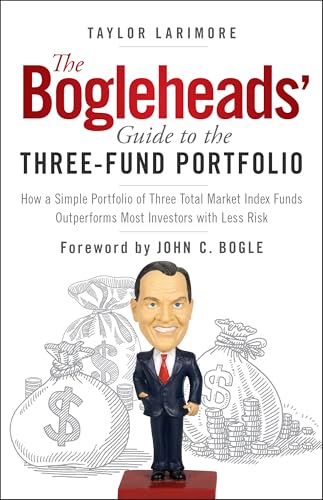
The slimmer, more actionable companion to the full Bogleheads guide. Focused purely on building and maintaining a three-fund portfolio with simplicity and minimal cost. The philosophy in 100 pages.
Best for: Investors still tempted by stock-picking
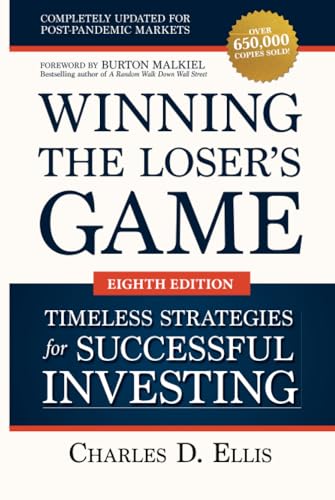
The original argument that professional investing has become a "loser's game" - one in which the winner is determined by avoiding mistakes rather than scoring points. Ellis lays out why the rational move is to stop competing and capture market returns instead.
Best for: UK investors who want a British answer to "what should I actually buy?"
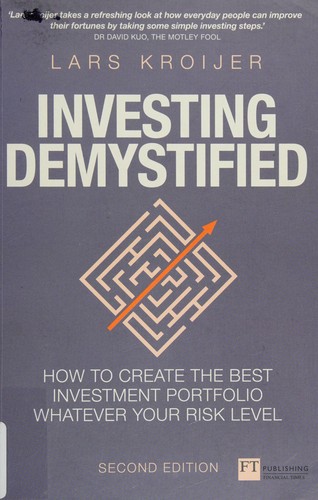
Kroijer is a former hedge-fund manager who concluded that almost no investor (including most professionals) can reliably beat a global equity index, and writes the case for indexing for a UK audience using UK wrappers. Shorter and less dense than Hale, more directly UK-focused than Bogle. The natural second book after Smarter Investing.
Best for: Readers who want the academic case for indexing in plain English
The book that introduced the term "random walk" to a general audience and made the empirical case for low-cost indexing twenty years before it was fashionable. Malkiel walks through every major active strategy - technical analysis, fundamental analysis, smart-beta - and shows why most fail to beat the market net of fees. The 13th edition (2023) is the standard reference.
Why money is hard. The behavioural traps that beat clever maths every time, and how to spot them in yourself.
The Behavior Gap
Carl Richards
Best for: Investors who keep selling at the bottom and buying at the top
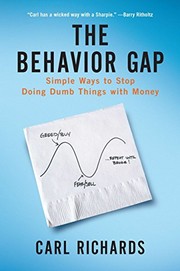
The "behavior gap" is the difference between what investments return and what investors actually earn after their own buying and selling decisions. Richards uses napkin sketches and brief stories to show why we keep falling into the same traps, and how to do less damage to ourselves.
Best for: Anyone serious about understanding their own decision-making
The foundational behavioural economics text. Kahneman explores the two systems of thought that drive every financial decision - the fast emotional brain and the slow rational one - and the cognitive biases that systematically lead us astray.
Best for: Readers who want behavioural economics in plain English
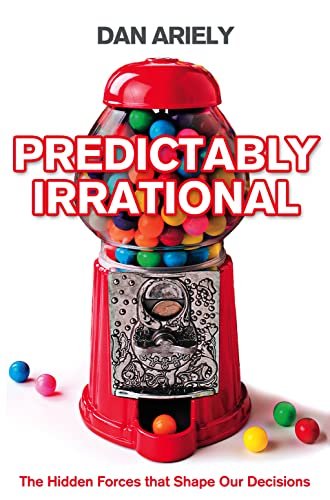
A more readable cousin of Kahneman. Ariely runs experiments showing that our financial decisions are reliably irrational in ways that marketers, employers, and the financial industry exploit, and gives practical tools to counteract them.
Best for: Skim readers who want one bias per chapter
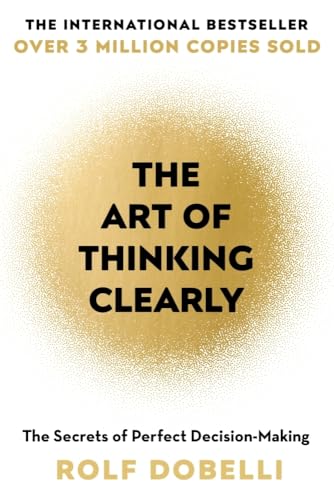
Ninety-nine cognitive biases explained in three pages each. The shortest, most useful primer on how your own mind talks you into bad financial decisions, and how to recognise the patterns before they cost you money.
Best for: Anyone whose savings rate keeps slipping despite good intentions
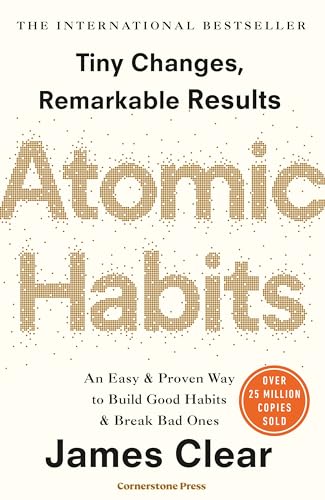
The most practical book on building systems that outlast motivation. Clear argues that small, consistent actions compound into outsized results - exactly the framework needed to sustain a high savings rate through decades of boring middle years.
Best for: Anyone losing motivation in the early years of saving
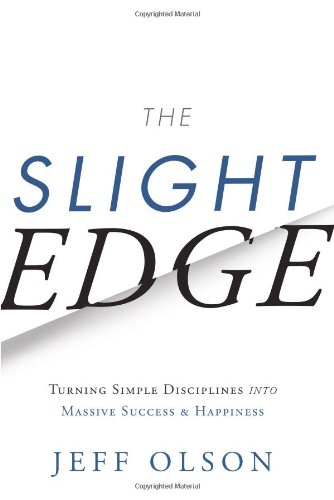
A meditation on the compounding power of small daily disciplines. Olson makes the case that the gap between people who become wealthy and those who do not lives in actions that feel insignificant in the moment but compound over a decade.
Best for: Anyone who has caught themselves chasing the next number
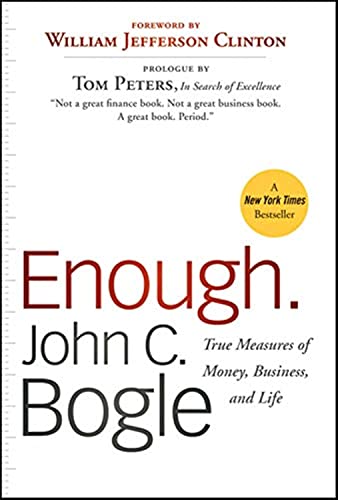
Bogle's late-career meditation on what truly matters beyond the pursuit of more. Half industry critique, half philosophical reflection - the only book on this list that explicitly asks "how much is enough?" and tries to answer it.
For when "save 10% of your salary" stops being enough and you want to ask bigger questions about how much, when, and why.
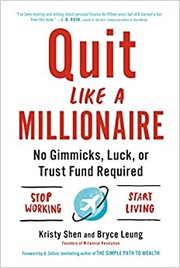
Quit Like a Millionaire
Kristy Shen & Bryce Leung
Best for: Anyone considering early retirement and wondering if the maths really works
Shen retired at 31 by saving aggressively, investing in index funds, and using a yield-shield + cash-cushion strategy in early retirement to survive bad markets. The maths is sound, the writing is direct, and the book takes the soft "lifestyle" arguments around FIRE seriously without flinching.
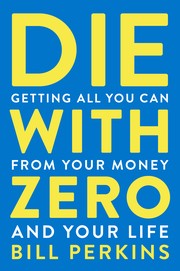
Best for: Savers who have been good at saving for too long
A counterweight to the rest of the personal-finance shelf. Perkins argues that most people die with a fortune they never got to enjoy, and that you should plan deliberately to spend down in your healthy decades rather than hoard for an end you cannot predict.
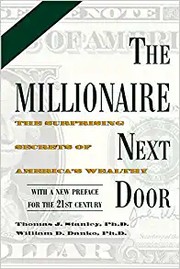
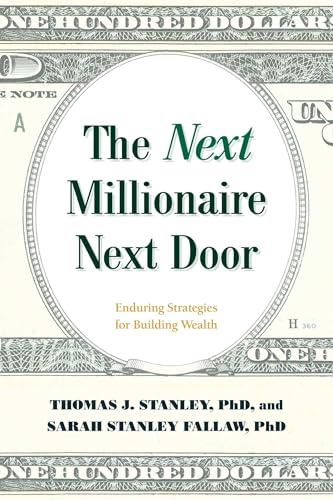
A study of actual American millionaires that found most live frugally, drive used cars, and got there through decades of unglamorous saving. The "Big Hat, No Cattle" archetype - high income, low net worth - is the cautionary half of the lesson.
Best for: Readers who want the original's argument with modern data
The direct sequel to the classic, written by the original author's daughter. Updates the data for the post-2008 era and explores how the next generation of frugal wealth-builders applies the same principles in a world of student debt and lifestyle inflation.
Best for: Anyone questioning what they want money to do for them
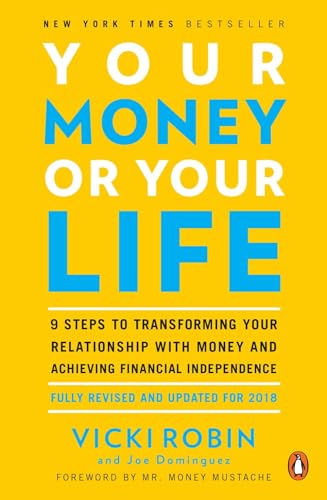
The original FIRE text. Robin and Dominguez reframe money as "life energy" and ask how many hours of your life each purchase truly costs. More philosophical than mathematical, but the worldview shift sticks for decades.
Best for: Readers who want the most radical FIRE blueprint available
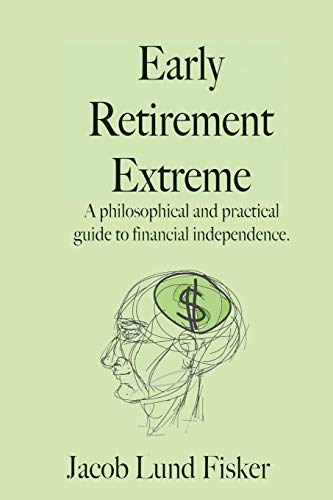
Fisker applies systems thinking and extreme frugality to compress the FIRE timeline to under five years. Dense, rigorous, and not for everyone - but the most intellectually serious treatment of voluntary simplicity in the canon.
Best for: Newcomers to FIRE who want the readable entry point
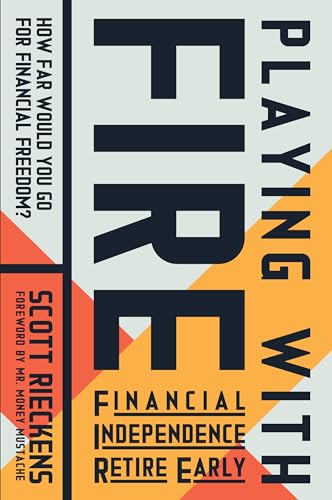
A memoir-style introduction following one couple's journey from high-spending to financially independent. Less technical than Fisker or Sabatier, but the most accessible "what is FIRE?" book on the shelf.
Best for: Higher earners who want to compress the timeline to FIRE
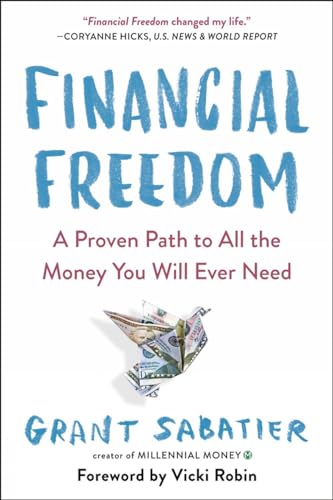
A practical, number-driven guide that focuses as much on income growth as on savings rate. Sabatier reached FI at 30 by aggressively raising both sides of the equation, and the book lays out the moves that worked.
Best for: Anyone planning a long retirement and wanting the rigorous answer
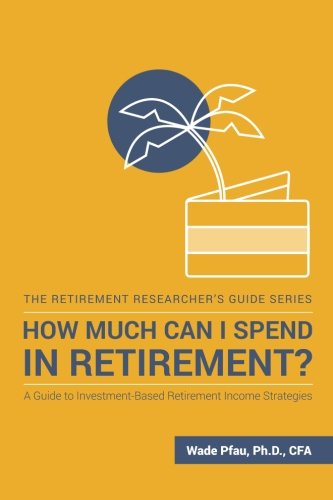
The most academically rigorous treatment of safe withdrawal rates available. Pfau covers sequence-of-returns risk, dynamic withdrawal strategies, and the maths of long retirements. Not a quick read, but the definitive reference.
Best for: UK retirees who want safe withdrawal maths in pounds, not dollars
The only retirement income book written specifically for UK retirees. Okusanya rebuilds the safe-withdrawal-rate maths using UK market data and ISA/pension sequencing strategies, exposing where the US "4% rule" works differently here.
Best for: Beginners who want the principles in story form
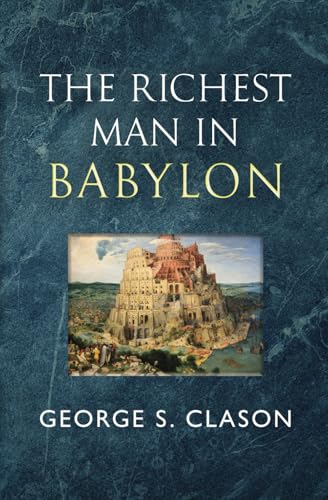
A century-old set of parables set in ancient Babylon, distilling the timeless principles: pay yourself first, live below your means, make money work for you. Older than every other book on this list, and largely still right.
Harder books that reward effort. Pick these up after the foundations, not before.
The Intelligent Investor
Benjamin Graham
Best for: Investors who already know the basics and want to think like an analyst
The book Warren Buffett still calls the best ever written on investing. Graham introduces "Mr Market" and the concept of margin of safety. Long, dense, and not always an easy read - but the core ideas have aged better than almost any other investing book in print.
Best for: Stock-pickers who want a qualitative framework
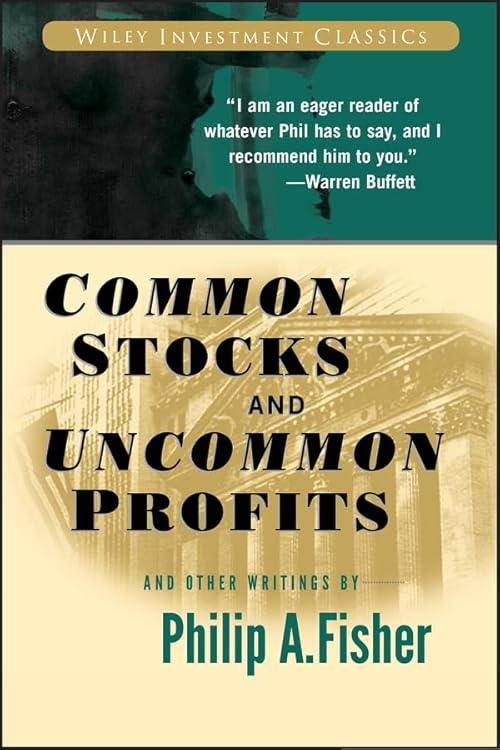
The classic on how to think deeply about what you own and why. Fisher's "scuttlebutt" method of researching companies still influences active investors today. Buffett cited it as one of his core influences alongside Graham's work.
Best for: Anyone curious about Buffett-style investing without reading 60 years of letters
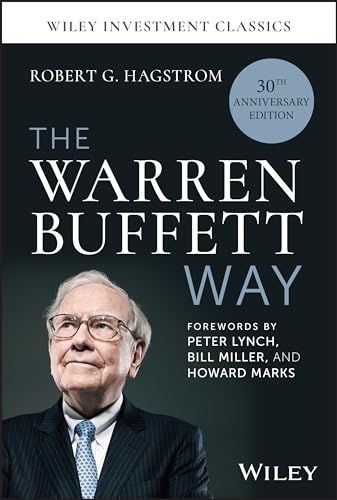
The most accessible treatment of Buffett's investment philosophy. Covers his evolution from pure Graham-style value investing to buying quality businesses at fair prices, with case studies on how he applied the framework.
Best for: Long-horizon investors curious about exceptional compounders
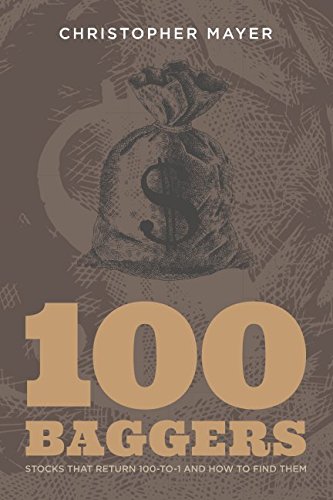
A study of stocks that returned 100 times their purchase price. Mayer identifies the characteristics that separate exceptional long-duration growth compounders from the rest, and what the buy-and-hold investor needs to do to actually capture them.
Best for: Retail investors curious about systematic value investing
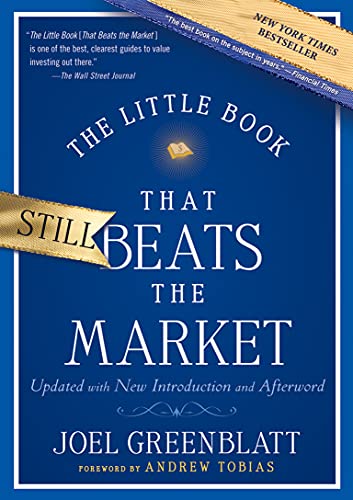
Greenblatt's "magic formula" is a rules-based approach to value investing using two simple metrics. Whether or not the formula still works, the framework for thinking about quality and price is genuinely useful for any equity investor.
Best for: Index investors who want to understand value, momentum, and size tilts
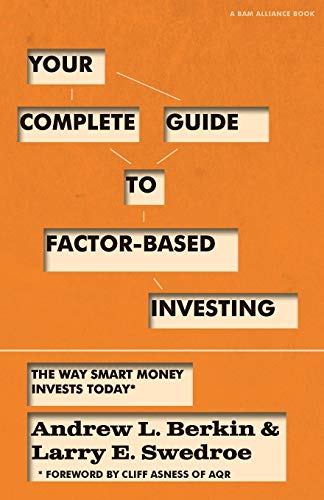
The most thorough academic treatment of factor investing available to retail investors. Swedroe and Berkin cover the value, size, momentum, and quality premiums, and how to implement factor tilts without falling into common traps.
Best for: Anyone who wants to understand what a stock is "worth"
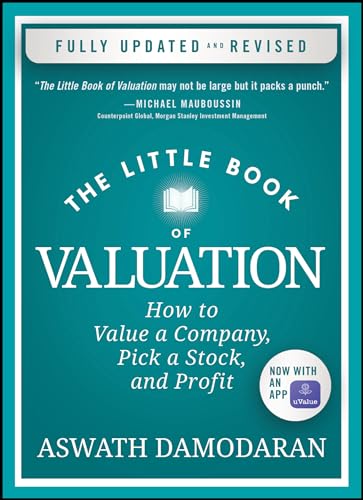
The world authority on valuation makes the subject accessible. Damodaran covers DCF, relative valuation, and intrinsic value for different types of businesses, with worked examples. As short as a valuation book can reasonably be.
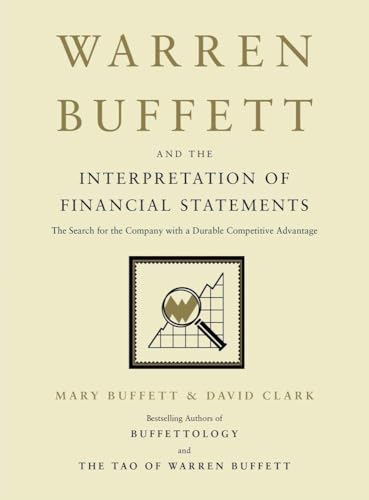
Warren Buffett and the Interpretation of Financial Statements
Mary Buffett & David Clark
Best for: Investors who want to read company accounts the way Buffett does
A practical guide to reading company accounts through Buffett's lens. Focused on identifying the financial characteristics - durable margins, capital efficiency, debt structure - that indicate competitive advantage worth paying for.
Best for: Income investors building a dividend portfolio
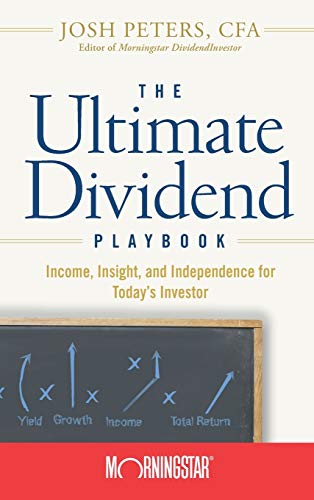
A specific guide to dividend investing as a long-term strategy. Peters covers how to identify reliable dividend payers, evaluate payout sustainability, and construct a portfolio designed to grow income across decades.
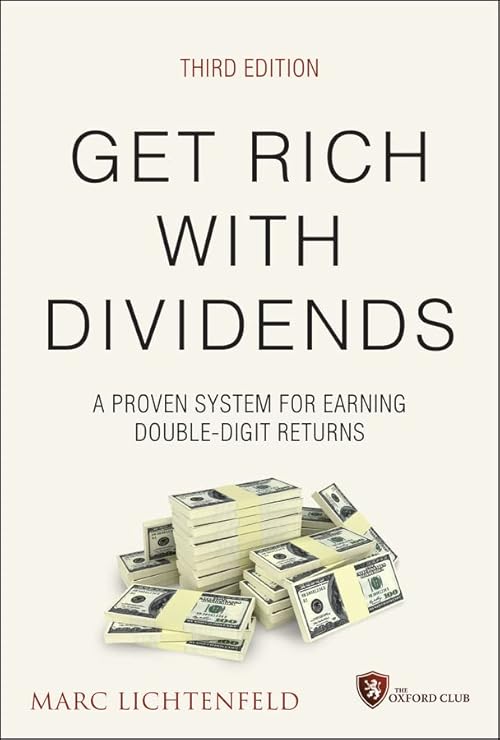
Best for: Dividend investors looking for growers, not just payers
A practical guide to dividend growth investing. Lichtenfeld focuses on companies that reliably raise their dividends year after year, and the discipline of letting the income stream do the heavy lifting.
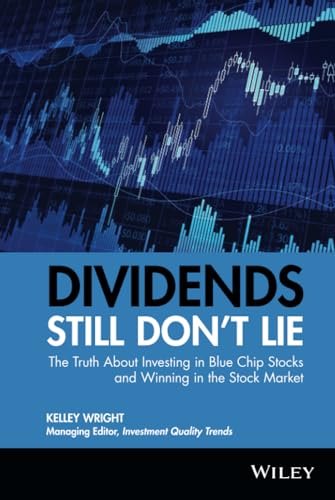
Best for: Value-leaning investors who want a systematic discipline
Wright uses dividend yield as a value signal to identify when blue-chip stocks are historically cheap or expensive. A systematic buying discipline that converts a behavioural insight into a repeatable rule.
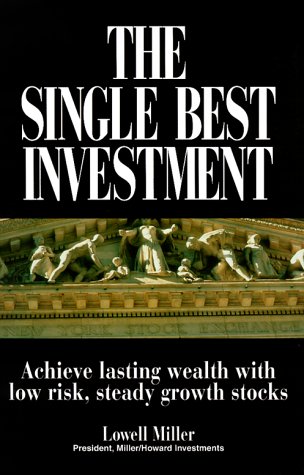
Best for: Income investors building a dividend-growth portfolio
Miller argues that compounding rising dividends from quality companies is the most reliable path to long-term wealth. A more philosophical case for dividend-growth investing than the rules-based texts.
Cautionary reading. The same speculative manias and debt cycles play out every few decades. Knowing the pattern is half the defence.
Devil Take the Hindmost
Edward Chancellor
Best for: Investors who want to recognise a bubble before they are inside one
A history of financial speculation from Roman tax-farming syndicates to the 1990s dot-com run-up. Chancellor traces the same pattern across centuries: cheap credit, novel technology, social pressure, and a final-stage greater-fool dynamic. Reads like a thriller and rhymes uncomfortably with the present.
Best for: Anyone who has caught themselves saying "this time is different"
A 100-page demolition of the human capacity for collective financial delusion. Galbraith identifies the recurring features of every mania: leverage, the illusion of new genius, and the social ostracism faced by the few who refuse to play along. Worth re-reading every few years.
Best for: Readers who want to understand the moral weight of money, not just the maths
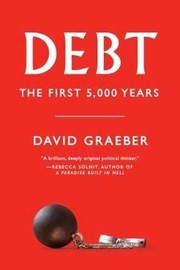
Graeber upends the schoolbook story that money replaced barter, arguing debt came first and shaped law, religion, slavery, and warfare for five millennia. A serious anthropology book, not a personal-finance one - but it permanently changes how you read modern headlines about household debt and government deficits.
Best for: Investors trying to assess whether current markets are overheated
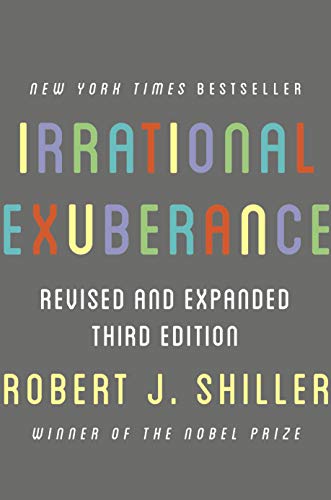
The Nobel laureate who invented the CAPE ratio examines why markets become irrationally expensive and what history suggests happens next. Shiller updated the book through both the dot-com and housing bubbles - it remains the definitive academic treatment of bubble psychology.
Best for: Readers who want to understand how index investing became the default
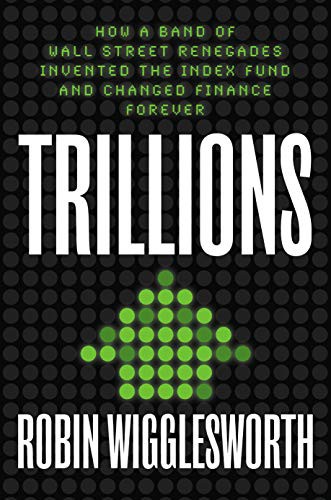
Wigglesworth (the FT's capital-markets editor) tells the story of how passive investing went from heretical academic theory to the strategy underlying most pension funds and ordinary savers. Reads like a thriller, takes the criticisms of indexing seriously (concentration of voting power, market-distortion risk, the BlackRock-Vanguard-State Street duopoly), and is the most recent major work on the subject. The closest the index-fund movement has to a definitive history.
Every book on this list passed four tests. First, clarity: can a non-specialist finish the book and walk away with a concrete change in behaviour or strategy? Dense academic prose is fine if it earns its weight, but a book that needs a glossary to read goes near the back of the list, not the front. Second, evidence: the argument has to rest on data, history, or research rather than vibes, founder cult, or a single anecdote stretched across three hundred pages. Third, UK applicability: where the topic touches tax, pensions, housing, or wrappers, the book either speaks directly to UK readers or translates cleanly without misleading the reader on numbers that matter. Fourth, durability: will this book still be right in ten years? Most current-year-gimmick books fail that test instantly.
We excluded a lot more than we included. Single-author crypto books, options "systems", "secrets the banks do not want you to know" style get-rich-quick titles, and the entire genre of property-flipping memoirs are absent for the same reason one wikipedia page can replace them: the strategies either do not work for ordinary workers or stop working as soon as anyone notices. We also dropped several US-only titles where the tax content is so central to the argument that following the advice in a UK context would actively cost you money. Where a US book is genuinely valuable and the wrapper differences are small (most of the FIRE canon, most of the mindset shelf), we kept it and flagged what to swap mentally.
The categorisation order is deliberate, not alphabetical. Foundations first because a reader who has not yet bought into low-cost index investing will get nothing out of a valuation textbook. Mindset second because the behavioural traps are what kill good plans, not the maths. FIRE third because the natural next question after "how do I invest?" is "how much, and for how long?". Deep dives last because they are advanced material that rewards a reader who already has the foundations in place. Reading them in reverse order is one of the most common reasons newcomers bounce off the topic.
We declare our bias. This site is worker-protective by design. We are sceptical of books that flatter capital at the expense of labour, that treat low pay as a moral failing, or that pretend the rules of a system designed for accumulating capital apply identically to someone selling forty hours of their life each week. Where a book takes the worker's side - or at least does not lie about whose side the system is on - it gets more credit here than it might elsewhere. That bias is in every pick on this page, and you should know it before you trust the list.
Frequently asked questions
What's the best personal finance book for beginners (UK)?
For a UK reader starting from scratch, Smarter Investing by Tim Hale is the single best pick. It rebuilds the case for low-cost, evidence-based, globally diversified investing using UK examples, UK tax wrappers like ISAs and SIPPs, and UK fund choices. The Simple Path to Wealth by JL Collins and The Little Book of Common Sense Investing by Jack Bogle are both excellent companions, but they are American books and you will need to mentally swap 401(k)s for SIPPs and IRAs for ISAs as you read.
Are personal finance books worth reading at all?
The good ones are some of the best returns on time you will get this decade. A solid foundations book costs about twelve pounds and saves most readers thousands in avoidable mistakes - high fund fees, panic-selling in a downturn, picking stocks they cannot evaluate, or just never starting because the topic felt intimidating. The bad ones are a tax on hope. The trick is filtering hard before you start: stick to authors with track records, evidence-based arguments, and durable ideas.
What's the difference between American and UK personal finance books? Why does it matter?
The investing principles transfer almost perfectly across the Atlantic. The tax wrappers, account types, pension rules, and housing market do not. American books default to 401(k)s, Roth IRAs, mortgage interest deductibility, and a state-by-state tax landscape that is irrelevant to UK readers. If you follow the advice without translation, you can end up holding the wrong fund domicile (US-domiciled ETFs trigger UK reporting headaches), missing your ISA allowance, or making pension contribution decisions that ignore the tapered annual allowance. Read the American canon, but always cross-check the tax bits against a UK source.
What's the best book on UK investing specifically?
Smarter Investing by Tim Hale is the standard UK reference for evidence-based passive investing and is the natural first book. Investing Demystified by Lars Kroijer is a shorter, sharper UK-focused follow-up written by a former hedge fund manager who concluded that almost no investor can reliably beat a global index. For UK retirement income specifically, Beyond the 4% Rule by Abraham Okusanya rebuilds the safe-withdrawal-rate maths using UK market data and ISA / pension sequencing strategies, which is something no American book does.
Should I read a finance book or just use a calculator?
Both. A calculator answers a numeric question - what is my FI number, how much should I save each month, how long until I can retire. A book answers the questions a calculator cannot - what return assumption to use, how to think about risk, why your behaviour matters more than your spreadsheet, and what to do when a bear market lasts longer than you expected. Treat the calculators on this site as the maths layer and the books as the framework layer. You need both.
What's a good first finance book if I find the topic dry?
The Psychology of Money by Morgan Housel is the most readable book in the genre by a clear margin. Nineteen short, almost folksy chapters on why money is about behaviour rather than spreadsheets, with no maths required. The Richest Man in Babylon by George Clason is the other gentle entry point - century-old parables that smuggle the core principles in via story. Both are short, neither will scare anyone off, and both leave the reader ready for a more technical second book.
How current are these books? Do the rules change?
The principles do not change. Spend less than you earn, invest the difference in low-cost diversified funds, do not panic in a downturn, and let time do the heavy lifting - those rules are the same whether the book was written in 1926 or last week. The implementation details do change. ISA limits move, pension allowances get tapered, fund choices evolve, and platforms come and go. We update this page periodically to reflect current editions, and for anything tax-sensitive we recommend cross-referencing the latest gov.uk and HMRC figures before acting.
A note on the Amazon links. We are Amazon Associates, which means a small commission lands in the bucket if you buy a book through one of these links. It costs you nothing extra. The list above is the same one we would give you in the pub, regardless of whether the affiliate scheme existed - we have read every book here, and they are the ones that have actually changed how we think about money.