



Die With Zero: A Contrarian Guide to Personal Finance
Bill Perkins says if you die with a large pile of savings, you over-saved and under-lived. The FIRE crowd hates it. He has a point they can't answer.
Cite this article
Freedom Isn't Free (2026) Die With Zero: A Contrarian Guide to Personal Finance. Available at: https://freedomisntfree.co.uk/articles/die-with-zero-a-contrarian-approach-to-personal-finance (Accessed: 21 September 2026).
Italicise the article title in your bibliography. Accessed date set to today.
TLDR
- Focus on maximising net fulfilment by spending on experiences rather than possessions.
- Divide your life into time-buckets to spend on experiences when you can enjoy them most.
- Balance saving for the future with deliberate spending on experiences that match your current life stage.
- Use UK tax tools like workplace pensions and ISAs to make it easier to balance saving and spending.
- Maximise employer matches and utilise ISAs to fund experiences without tax penalties.
Applying Die With Zero with UK wrappers
| Wrapper | Annual limit | Access age | Best used for |
|---|---|---|---|
| Workplace pension | Subject to AA | 57 (rising to 58) | Capture full employer match |
| SIPP | £60,000 AA | 57 (rising to 58) | Top up after match |
| Stocks and Shares ISA | £20,000 | Any age | Bridge to pension, experiences |
| Lifetime ISA | £4,000 | 60 or first home | First-home or pension top-up |
ISA is the bridge wrapper that funds Perkins' time-bucketed experiences before pension age.
Die With Zero: A Contrarian Guide to Personal Finance
Most personal finance advice follows the same script: save more, spend less, grow your pot. Die With Zero by Bill Perkins flips that script entirely. His central argument is that the goal of money is not to accumulate the largest possible balance but to maximise net fulfilment - the total enjoyment and meaning you extract from your lifetime. If you die with a large pile of unspent savings, Perkins says, you over-saved and under-lived.
This is a provocative claim, especially for anyone pursuing Financial Independence, Retire Early (FIRE). But Perkins is not telling you to blow your money. He is telling you to be more intentional about when and how you spend it.
Why Experiences Beat Possessions
The strongest section of the book is Perkins' case for spending on experiences rather than things. Travel, learning a new skill, time with family - these create what he calls "memory dividends." A holiday you take at 30 keeps paying back every time you remember it. A car you buy at 30 depreciates in your driveway.
Research from the Journal of Consumer Research supports this: people report more lasting satisfaction from experiences than from material purchases, partly because experiences contribute to personal growth and strengthen relationships.
Perkins pushes this further with the idea of time-bucketing. He suggests dividing your life into five- or ten-year periods and assigning experiences to the window where you can enjoy them most. A backpacking trip through South America is better suited to your twenties than your seventies. A Mediterranean cruise might be perfect at 65 but a waste of money at 25.
The implication for UK readers is practical: if you are deferring every holiday, hobby, and experience until after you hit your FI number, you may be trading your best years for a number on a spreadsheet.
How Die With Zero Challenges FIRE Thinking
The FIRE movement has a large and growing following in the UK. Its logic is straightforward: save aggressively, invest in low-cost index funds, and reach a portfolio that covers your living expenses for life. Then stop working.
Perkins does not reject this outright. What he challenges is the assumption that maximising your savings rate is always the right move. If you earn well in your thirties but spend every evening meal-prepping lentils to hit a 70% savings rate, you might be optimising for the wrong thing. The FIRE community sometimes treats spending as failure, and Perkins argues this mindset can lead to a life of deferred happiness.
His alternative is to find the balance point: save enough to fund a secure future, but spend deliberately on experiences that match your current health, energy, and interests. For a deeper look at the tension between accumulation and actually using your money, the article on the decumulation trap covers the same problem from a retirement-spending angle.
Putting This Into Practice in the UK
The UK tax system gives you specific tools that make balancing saving and spending easier than in many countries.
Workplace pensions and employer matching are effectively free money. Perkins would not argue against capturing your full employer match - that is an instant return that funds future experiences. If you are unsure what your employer match is really worth in today's terms, our pension match calculator can help you work it out.
ISAs let you shelter up to 20,000 a year from tax. Because ISA withdrawals are tax-free at any age, they are the natural vehicle for funding experiences before you reach pension age. If you are trying to bridge the gap between early retirement and pension access, the ISA/pension bridging strategy is worth reading.
SIPPs and workplace pensions lock your money away until 57 (rising from 55 in 2028). Perkins' framework suggests you should think carefully about how much to lock up versus how much to keep liquid for the decades before pension age.
A practical way to apply Perkins' philosophy:
- Capture your full employer pension match - this is a guaranteed return that even Perkins would endorse.
- Max out your ISA before adding extra to your pension - ISA money is accessible now, pension money is not.
- Set an annual experience budget - even a small percentage of your income earmarked for experiences changes your spending psychology.
- Review your time buckets - list the experiences you want at each life stage and check whether your savings plan actually supports them.
The Limits of Die With Zero
Perkins' philosophy has genuine blind spots. He assumes a level of income and job security that many UK households do not have. If you are still building an emergency fund, spending on experiences is premature. His framework also underweights the psychological value of a financial cushion - knowing you have enough is itself a form of fulfilment for many people.
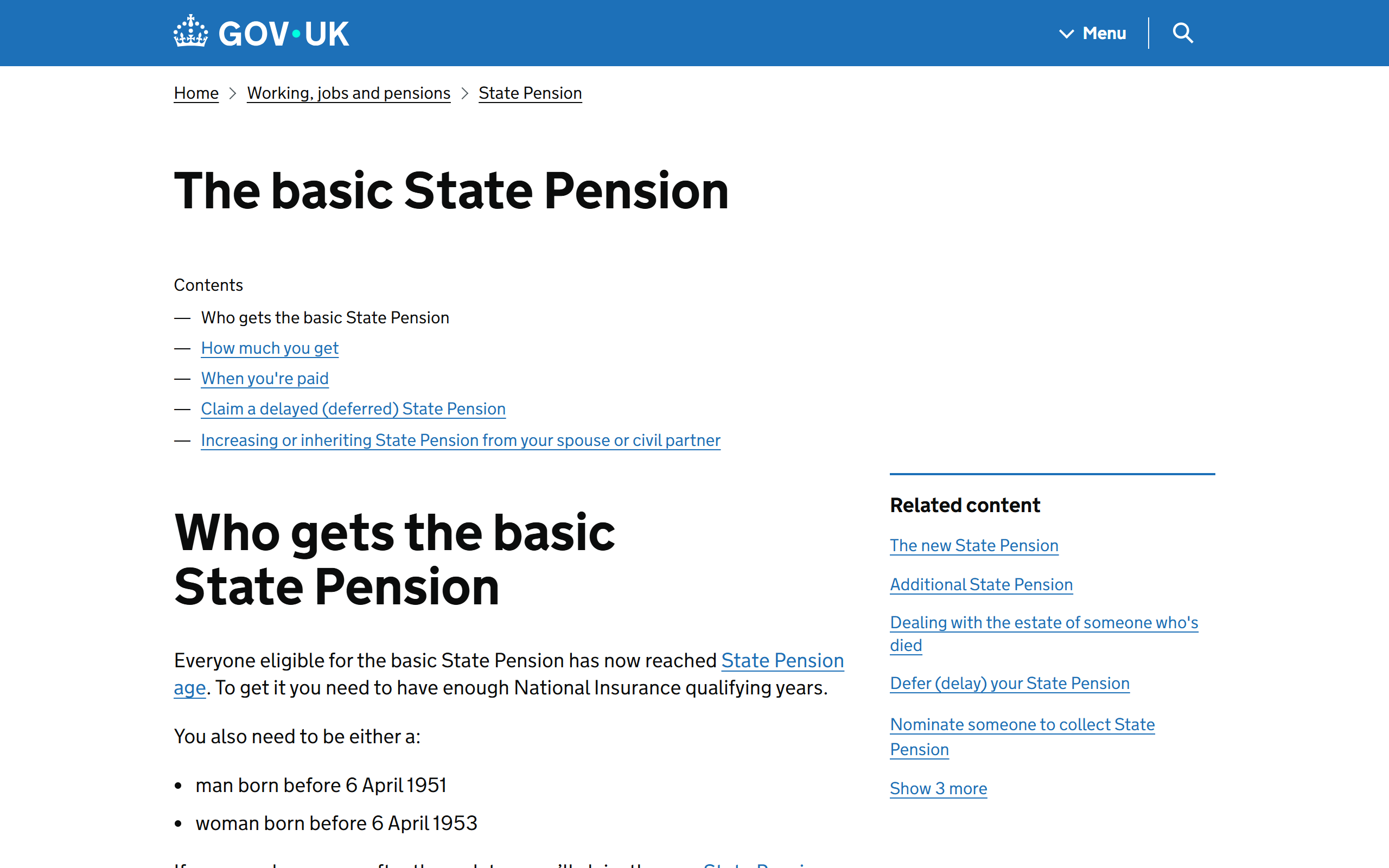
The book also skirts around the realities of UK stealth taxes and the state pension, which together mean that many people need to save more than they think just to maintain a basic standard of living in retirement. The gov.uk State Pension overview is a good starting point for checking what you are actually entitled to.
That said, the core insight stands: money is a tool for living, not a score to maximise. If your savings plan does not include a plan for spending, you are only solving half the problem.
Frequently Asked Questions
What is the main argument of Die With Zero?
Bill Perkins argues that the purpose of money is to fund a fulfilling life, not to accumulate the largest possible balance. He encourages readers to optimise for net fulfilment - the sum of meaningful experiences - rather than net worth.
How does Die With Zero challenge FIRE?
Perkins challenges the FIRE assumption that maximising your savings rate is always the right priority. He argues that deferring all spending until retirement risks trading your healthiest, most energetic years for a number on a screen. His alternative is to balance saving with deliberate spending on time-sensitive experiences.
Is Die With Zero anti-saving?
No. Perkins is not opposed to saving or investing. He is opposed to saving without a plan for spending. He still recommends funding retirement and capturing employer pension matches. His argument is about allocation across your lifetime, not about spending recklessly.
How can UK readers apply Perkins' ideas?
Use ISAs for accessible savings that fund experiences before pension age, capture your full employer pension match, and set an annual experience budget. The UK tax system makes it straightforward to save tax-efficiently while keeping some money liquid.
Should I read Die With Zero if I am pursuing FIRE?
Yes. Even if you disagree with some of his conclusions, Perkins forces you to ask whether your savings plan actually serves the life you want to live. For many FIRE pursuers, the answer is uncomfortable - and that is exactly why the book is worth reading.
Further Reading:
Die With Zero - Bill Perkins - The book itself is a short, punchy read that will challenge how you think about saving, spending, and the purpose of money. (Affiliate link - we may earn a small commission at no extra cost to you.)
The Psychology of Money - Morgan Housel - A complementary perspective on why we behave irrationally with money and how to build a healthier relationship with it. (Affiliate link - we may earn a small commission at no extra cost to you.)
Read Next:
Prefer to watch?
We turn these money breakdowns into short videos
A few a week, plain-English UK money. If you would sooner watch than read, follow along:
Enjoying the content?
If this site has been useful, a coffee goes a long way.
Browse more articles
Browse all