






Mortgage vs Marriage: The UK Numbers
Your £20,000 wedding doesn't cost £20,000. Run the actual mortgage maths and one number on the spreadsheet quietly more than doubles it.
Cite this article
Freedom Isn't Free (2026) Mortgage vs Marriage: The UK Numbers. Available at: https://freedomisntfree.co.uk/articles/mortgage-vs-marriage (Accessed: 23 August 2026).
Italicise the article title in your bibliography. Accessed date set to today.
TLDR
- The average UK wedding now costs £20,000 to £24,000, which is a meaningful chunk of a first-time buyer deposit and bigger than most couples realise.
- The hidden cost of a £20,000 wedding is not £20,000. Once you factor in the LTV band you miss and the compounded interest you pay across the mortgage, the true cost is closer to £40,000 to £60,000.
- Marriage still has real legal and tax benefits over cohabitation in the UK. This is a financial decision, not just an emotional one.
- For most couples the right answer is "both, in order, on a budget". A modest wedding first, then deposit-focused saving with a hard cap on each.
Average UK first-time buyer deposit by region (2025)
| Region | Average deposit | Equivalent wedding budget | Years to save (£1k/month) |
|---|---|---|---|
| North East England | £35,000-£40,000 | A full wedding | 3 to 3.5 years |
| Midlands / North West | £45,000-£55,000 | 2x average wedding | 4 to 4.5 years |
| South West / East England | £60,000-£75,000 | 3x average wedding | 5 to 6 years |
| London | £125,000+ | 5-6x average wedding | 10+ years |
Sources: Halifax First-Time Buyer Review. Wedding average £20,000-£24,000 (Hitched, Bridebook).
Mortgage vs Marriage: The UK Numbers
Mortgage vs marriage is the trade-off almost every couple in their late twenties or early thirties bumps into eventually. You sit down to plan a wedding and realise the average cost of one is roughly the size of a stamp duty payment in a southern town. You sit down to model the deposit and realise it would buy you a wedding so lavish your relatives would write poems about it for decades. The two big-ticket life events compete for the same pot of money, and there is no neutral way to make the choice.
This article is for couples in the middle of that argument. It will not tell you to elope, and it will not tell you to throw the wedding of the century. What it will do is put real UK numbers next to both options and show you how to think about the trade-off without being dogmatic.
Contents
- What a UK wedding actually costs in 2026
- What a UK house deposit actually costs
- The hidden cost of a £20,000 wedding
- The legal and tax case for getting married
- The mortgage vs marriage playbook
- Frequently Asked Questions
What a UK wedding actually costs in 2026
Average UK weddings in 2025 came in at around £20,000 to £24,000 across the major industry surveys (Hitched, Bridebook). That figure rises every year and shows no sign of stopping. Add the supporting cast of expenses and you are looking at:
- Wedding day: £20,000-£24,000 (venue, food and drink, photography, flowers, attire, music)
- Engagement ring: £1,800-£2,500 average, more if you follow the "two months' salary" myth that the diamond industry invented in the 1930s
- Honeymoon: £3,000-£5,000 for a typical week or two abroad
- Stag and hen, gifts, suits, attendant outfits: £1,500-£3,000
Total full-fat marriage spend: roughly £25,000 to £35,000.
These are averages. They are also lopsided averages, dragged up by the top end of the distribution. Plenty of couples spend £8,000 on a 50-person registry-office wedding plus a pub. Plenty spend £80,000 on a country house. The average is the wrong number to plan to. The right number is whatever you and your partner can spend without delaying everything else by years.
What a UK house deposit actually costs
On the other side of the ledger the numbers are harsher. Halifax's First-Time Buyer Review puts the average UK first-time buyer deposit at around £62,000 as of 2025, on an average property price of around £252,000. (How to actually save that deposit is its own discipline, with a real debate about whether to keep it in cash or invest it.) That is a 25% deposit, which is what most people who actually completed in 2024-25 ended up putting down despite official 5%-deposit schemes existing.
The regional spread is brutal:
- North East England: ~£35,000-£40,000 on average
- Midlands and North West: ~£45,000-£55,000
- South West and East of England: ~£60,000-£75,000
- London: ~£125,000+
Most couples chasing a first home are saving for years. The Lifetime ISA gives you a 25% government bonus on up to £4,000 per year per person, capped at properties under £450,000. Two LISAs in a couple gets you £2,000 of free government money each year, which is the single best return on saved cash anywhere in UK personal finance, but it caps out fast.
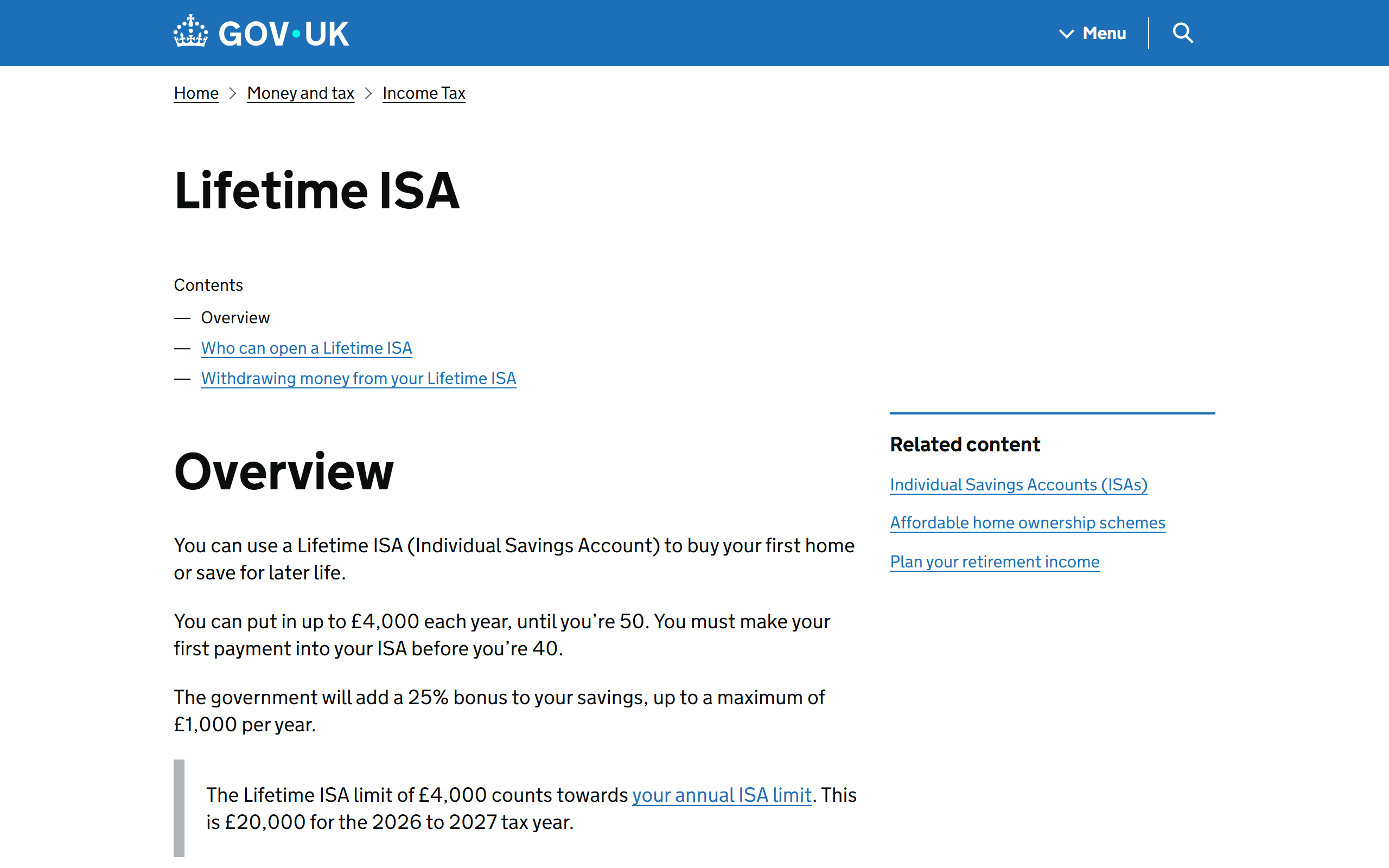
Compare the two ledgers. A wedding that hits the national average is roughly 40% of an average UK deposit, and roughly a full deposit in the cheapest regions of the country. That is the trade-off you are actually making.
The hidden cost of a £20,000 wedding
Headline wedding cost is misleading. What that money would have done if it had gone to the deposit instead is the real cost, because of how UK mortgage pricing works.
UK mortgage rates step down at fixed loan-to-value (LTV) bands: 95%, 90%, 85%, 80%, 75%, and 60%. Each step typically knocks 0.2 to 0.5 percentage points off your rate, sometimes more. A couple with a £40,000 deposit on a £250,000 property is at 84% LTV. The same couple with a £60,000 deposit (the £40k plus the £20k they did not spend on a wedding) is at 76% LTV - one full rate band cheaper.
Run the maths on a 25-year repayment mortgage at typical 2026 rates:
- At 84% LTV (5.0% rate): monthly payment ~£1,228, total interest paid over 25 years ~£158,500
- At 76% LTV (4.6% rate): monthly payment ~£1,069, total interest paid over 25 years ~£130,800
That single rate band saves roughly £27,700 in interest over the life of the mortgage, plus you owe £20,000 less on the principal. The all-in cost of the £20,000 wedding, expressed in mortgage interest you actually have to pay later, is closer to £47,000.
If the £20,000 had been invested for the same 25 years at a real return of 5%, it would have grown to roughly £68,000 in today's money. The opportunity cost compounds either way.
This is an argument for knowing what you are paying, not for skipping the wedding. £20,000 spent on a single day in your twenties is one of the most expensive purchases of your life once you factor in everything it stops doing for you. Going in with that knowledge is different from being surprised by it later.
The legal and tax case for getting married
The flip side is that getting married is not just a sentimental choice in the UK. It comes with concrete financial benefits that cohabitation does not, and "common law marriage" does not exist in English law - that myth has been resolutely debunked by every family lawyer who has ever had to break the news to a partner of 20 years with no rights.
The financial benefits of being legally married:
- Marriage Allowance: a non-taxpaying spouse can transfer £1,260 of personal allowance to a basic-rate-paying partner, saving up to £252 per year. Modest, but free.
- Inheritance tax: assets pass between spouses with no inheritance tax under the HMRC spouse exemption. Cohabiting partners get no spousal exemption and can be left with a 40% IHT bill on the family home.
- Capital gains tax: spouses can transfer assets to each other without triggering CGT. This is the basis of every "double up your CGT allowance" tax strategy.
- Pension benefits: many occupational pensions pay reduced or no spouse's pension to unmarried partners, and the State Pension survivor benefits are generally only available to spouses or civil partners.
- Intestacy: if your partner dies without a will, you inherit by default if you are married. If you are not, you inherit nothing automatically. That nothing includes the house if it was in their name only.
For couples who own a property together long-term, the inheritance and CGT differences alone can swamp the wedding bill many times over. A wedding is a one-off cost. The legal status of being married is a permanent change to your financial plumbing.
A registry office wedding for two with two witnesses costs around £100. The legal benefits are identical to a £30,000 wedding. The £29,900 difference is buying you a party and a memory, not a status.
The mortgage vs marriage playbook
The honest answer for most couples is: do both, but on a budget, and in a deliberate order. Here is the framework.
1. Decide the cap before you decide the venue
Sit down before any wedding planning starts and agree two numbers: a wedding cap and a deposit target. The cap is whatever you can pay for without depleting your house deposit fund. For most couples this lands somewhere between £8,000 and £15,000, not £25,000. Lock that number in. Every supplier conversation starts with "we have £X". Vendors price to your number, not their wishlist.
2. Front-load the LISA
Both partners should be paying the maximum £4,000 per year into a Lifetime ISA until you buy. £2,000 of free government money per year, every year, is the highest-return cash flow available to anyone saving for a first home in the UK. Wedding spending should not displace this. If it does, you are paying for the wedding twice: once in cash, once in foregone bonus.
3. Get legally married now, party later
A registry office ceremony costs around £100. A wedding party can happen six months later, two years later, or never. Many couples find that splitting the legal step from the social step lets them lock in the tax benefits, secure each other's inheritance position, and remove the time pressure that drives wedding budgets up. It is not for everyone, but it is a strictly cheaper route to the same legal endpoint.
4. Treat the honeymoon as part of the cap
Honeymoons quietly inflate to wedding-tier numbers. Rolling the honeymoon into the same cap (e.g. £12,000 covers wedding, ring, honeymoon, the lot) keeps the full marriage spend honest. Otherwise the headline £8,000 wedding becomes a £15,000 marriage spend by the time the flights are booked.
5. Run the LTV maths before the rate is fixed
Once you are house-hunting, model your numbers at the LTV band you are targeting and the band one tier higher. If a £5,000 stretch on the deposit moves you from 81% LTV to 79% LTV, the rate band saving compounds across the whole mortgage. Use a mortgage calculator to see the lifetime difference. Sometimes the best wedding gift to your future selves is six more months of saving.
The mortgage vs marriage trade-off is an order-of-operations problem more than a binary. Couples who handle it well decide on the budget before the planning, get the legal status locked in cheaply, and treat the wedding budget as a constraint rather than a discovery process.
Frequently Asked Questions
How much does the average UK wedding cost in 2026?
The average UK wedding costs around £20,000 to £24,000 according to the Hitched and Bridebook industry surveys. That figure covers the venue, food and drink, photography, flowers, attire, and music. It does not include the engagement ring (£1,800-£2,500 typical), the honeymoon (£3,000-£5,000), or the supporting expenses of stag and hen events. Full-fat marriage spend is more often £25,000 to £35,000.
Should I prioritise a wedding or a house deposit?
For most couples, the deposit gets priority because the financial impact is much larger and longer-lasting. A £20,000 swing in your deposit can change which mortgage rate band you fall into, saving tens of thousands in interest over a 25-year mortgage. A £20,000 swing in wedding spending changes a single day. That said, the right answer is usually "both, on a budget" rather than picking one and abandoning the other.
Is it worth getting legally married just for the tax benefits?
For couples who already plan to spend their lives together, yes. The combination of inheritance tax exemption (assets pass between spouses without IHT), CGT-free asset transfers, marriage allowance, and pension survivor benefits adds up to thousands of pounds per year over a lifetime. Cohabiting partners get none of this, and "common law marriage" does not exist in English law. A registry office ceremony costs around £100 and unlocks all of it.
What is the cheapest way to get married in the UK?
A weekday registry office ceremony with two witnesses costs roughly £46 for the giving of notice (per person) plus around £57-£90 for the ceremony itself, depending on the council. Allow about £100-£200 total. A small lunch with immediate family afterwards keeps the day to under £500. The legal status is identical to a £30,000 wedding.
Can we use a Lifetime ISA for both the wedding and the house deposit?
No. The LISA is specifically for a first home or retirement. Withdrawing for any other purpose, including a wedding, triggers a 25% penalty that wipes out the government bonus and a chunk of your own contribution. Keep the LISA for the deposit. Save for the wedding in a separate easy-access cash ISA or savings account.
How long does it take a couple to save a UK house deposit?
For an average UK first-time buyer deposit of around £62,000, a couple saving £1,000 a month between them takes just over five years. Two LISAs maxed out (£8,000 contributions plus £2,000 bonus per year) cover £50,000 over five years on their own. Saving for a wedding alongside this stretches the timeline by anywhere from six months to two years depending on the wedding budget.
Further Reading
I Will Teach You To Be Rich - Ramit Sethi - Sethi has the most clear-eyed framework around for spending big on the things you love and brutally cutting everything else, which is exactly the mindset a couple deciding between wedding and deposit needs. (Affiliate link - we may earn a small commission at no extra cost to you.)
The Psychology of Money - Morgan Housel - The chapter on "freedom" reframes why locking in a low LTV early matters more than the headline savings rate, and why couples often regret the wedding spend more than the smaller deposit. (Affiliate link - we may earn a small commission at no extra cost to you.)
Read Next
Prefer to watch?
We turn these money breakdowns into short videos
A few a week, plain-English UK money. If you would sooner watch than read, follow along:
Enjoying the content?
If this site has been useful, a coffee goes a long way.
Browse more articles
Browse all