






Richest Man in Babylon: 7 Money Lessons (UK)
A book written in 1926, set in ancient Babylon. Its seven cures are still what any decent UK planner would tell you in 2026. The vocabulary is older. The arithmetic is not.
Cite this article
Freedom Isn't Free (2026) Richest Man in Babylon: 7 Money Lessons (UK). Available at: https://freedomisntfree.co.uk/articles/richest-man-in-babylon-lessons (Accessed: 21 September 2026).
Italicise the article title in your bibliography. Accessed date set to today.
TLDR
- The richest man in Babylon lessons are George S Clason's seven cures for a lean purse, written in 1926 and still the cleanest summary of personal finance.
- The cures are: save a tenth of your income, control your spending, invest the savings, protect them from loss, own your home, plan a future income, and increase your earning power.
- In UK terms that maps to ISA and SIPP automation, lifestyle inflation discipline, low-cost global trackers, FSCS protection, mortgages, pension contributions and skills investment.
- The mechanics have changed since Babylon. The behaviours have not - bend the curve at the income side and the rest of the system does most of the work.
Clason's seven cures, translated for the UK in 2026
| # | Clason 1926 | UK 2026 equivalent |
|---|---|---|
| 1 | Start thy purse to fattening | Standing order to ISA/SIPP on payday |
| 2 | Control thy expenditures | Cap lifestyle inflation, 50/30/20 split |
| 3 | Make thy gold multiply | Global tracker inside ISA or SIPP |
| 4 | Guard thy treasures from loss | Emergency fund plus FSCS-covered accounts |
| 5 | Make of thy dwelling a profitable investment | Buy where the rent-vs-buy maths supports it |
| 6 | Insure a future income | State Pension plus workplace pension and SIPP |
| 7 | Increase thy ability to earn | Career and skills investment |
The wrappers changed. The cures did not.
Richest Man in Babylon: 7 Money Lessons (UK)
The richest man in Babylon lessons have been in print since 1926, which is its own form of evidence. George S Clason's slim book uses parables set in ancient Babylon to teach the same seven cures for a lean purse that any decent UK financial planner would tell you about an ISA today. The vocabulary is older. The arithmetic has not changed.
The book is short, and most modern summaries skip the actual structure Clason wrote. The seven cures are the spine of the whole thing. Below is each one, translated into 2026 UK terms - the wrappers, allowances and consumer protections that did not exist when Clason wrote, but which are how the cures actually run in a British financial life.
The Seven Cures for a Lean Purse
Clason puts the cures in the mouth of Arkad, Babylon's wealthiest citizen, who is asked by the king to teach his fellow citizens how to stop being poor. Arkad delivers seven rules, in order. They build on each other.
- Start thy purse to fattening (pay yourself first)
- Control thy expenditures (live below your means)
- Make thy gold multiply (invest, do not just save)
- Guard thy treasures from loss (protect what you have built)
- Make of thy dwelling a profitable investment (own your home)
- Insure a future income (provide for old age)
- Increase thy ability to earn (improve your earning power)
The order matters. You cannot invest what you have not saved. You cannot protect what you have not yet invested. And you cannot increase your earning power without having first built the discipline of the previous six.
1. Pay Yourself First (Automate Your ISA and SIPP)
Arkad's first cure is to keep one-tenth of everything you earn before you pay anyone else. In Babylon that meant clay jars. In the UK it means a standing order out of your current account on payday, before the bills, before the rent, before the temptation to spend.
The wrapper choices in 2026 do most of the heavy lifting for you. A Stocks and Shares ISA shelters £20,000 a year from capital gains and dividend tax. A SIPP adds tax relief at your marginal rate on the way in. If your workplace pension offers an employer match, that match is part of the cure - turning it down is paying yourself less than yourself.
The mechanical version: set a standing order or salary-sacrifice arrangement that moves the money the day it hits your account. Do not wait to see what is left over. There is never anything left over. Our guide to automating your UK finances walks through the specific platforms and the order to set them up in.
2. Control Thy Expenditures (Stop Lifestyle Inflation)
Clason's second cure is that desires are infinite and income is not, so the job is to separate needs from wants and refuse to let "the desires of the moment" empty the purse. He is the original anti-lifestyle-inflation writer.
The 2026 version is the same conversation about Deliveroo, holidays, cars, subscriptions and the gradual upward creep of "normal". Every promotion is a fork: the new income either becomes new spending or new savings. The cure is to default it into savings before you have time to want anything with it.
A practical structure many readers find useful is the 50/30/20 split - 50% of take-home pay on needs, 30% on wants, 20% on saving and debt repayment. The exact split matters less than the principle that saving is a fixed line, not a residual. Our budgeting 101 guide covers the mechanics, including the lifestyle-design question that comes before the spreadsheet.
3. Make Thy Gold Multiply (Invest, Do Not Just Save)
Arkad describes gold as "a willing worker" - every coin you save earns more coins on your behalf, and those new coins earn coins of their own. He is describing compound interest in 1926, four hundred years after the maths was formalised.
In the UK in 2026 the cleanest way to run this cure is a low-cost global index fund inside your ISA or SIPP. Vanguard's FTSE Global All Cap, HSBC FTSE All-World and the various UCITS world trackers all do the same job: own a small slice of every listed company on earth at an annual fee under 0.25%, and let the global economy do the work.
Cash savings will not do it. UK easy-access rates have historically failed to beat inflation by enough to compound meaningfully, especially after tax. Equities have, over any 20-year window in the last century. You can model the difference yourself with our compound interest calculator - drag the time horizon out to 30 years and the gap between 1% real and 5% real becomes uncomfortable to look at.
4. Guard Thy Treasures from Loss (Emergency Fund and FSCS Protection)
Clason warns against entrusting gold to people who do not know how to manage it, and against chasing returns that sound too good to be true. The fourth cure is defensive: do not lose what you have already built.
The UK version has three parts.
Emergency fund. A separate cash pot, usually three to six months of essential outgoings, held in an easy-access savings account. It exists so that a boiler failure, a redundancy or a family crisis does not force you to sell investments at a bad price or take on high-interest debt. Our UK emergency fund guide covers how to size it and where to hold it.
Regulatory protection. Any platform you use should be regulated by the Financial Conduct Authority. Cash deposits up to £85,000 per institution are covered by the Financial Services Compensation Scheme; investments are also covered, with slightly different rules. Knowing what is protected and what is not is the modern equivalent of Arkad's "do not trust thy treasures to those who lack experience".
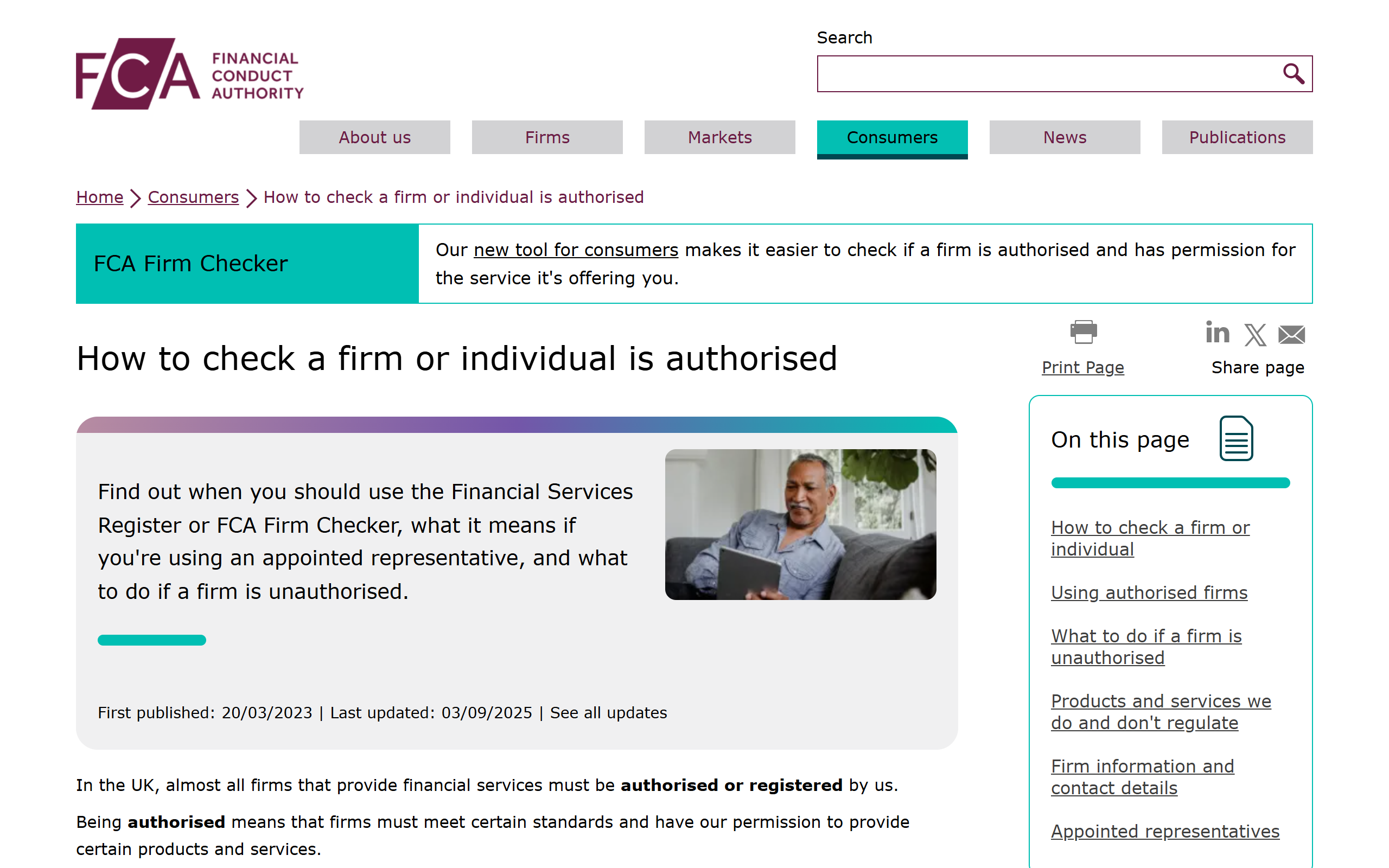
Scam scepticism. Crypto rug-pulls, get-rich-quick schemes, "guaranteed 12% returns" - the names change every decade, the structure does not. If a return is materially above the global equity long-run average and presented as low-risk, treat it as a fraud until proven otherwise.
5. Make of Thy Dwelling a Profitable Investment (Rent vs Buy)
Arkad argues that owning the roof over your head removes a recurring drain on the purse and converts a cost into an asset. In 2026 UK terms the picture is more complicated than that, but the underlying logic still applies.
A mortgage is forced saving. Every monthly payment chips at the principal, and over a 25-year term the equity you build is meaningful even if the property itself only tracks inflation. Renting indefinitely means paying a landlord forever without ever owning the asset behind the payment. Where Arkad oversimplifies is the timing - buying in the wrong place at the wrong price can lock you into a worse outcome than renting. Stamp duty, transaction costs and the cost of getting it wrong are not trivial.
The pragmatic UK reading is: buy when the rest of your financial life is in order (emergency fund, ISA contributions, stable income, deposit large enough for a reasonable LTV band) and where the long-run rent-vs-buy maths supports it for your specific city and household. Do not treat it as a moral imperative.
6. Insure a Future Income (Pensions and Compounding)
Arkad's sixth cure is to "provide in advance for the needs of thy growing age, and the protection of thy family". The Babylonian version was burying gold or buying land. The 2026 UK version is the State Pension plus your private pension stack.
The State Pension on its own is roughly £11,500 a year as of the latest uprating - enough to keep the lights on, not enough to retire on. The cure is the SIPP and the workplace pension layered on top. Tax relief at your marginal rate on the way in (45% relief for additional-rate earners, 40% for higher-rate, 20% at basic) is one of the largest, most reliable returns available to any UK earner. Turning it down is leaving free money on the table.
Compounding does more work the earlier you start. A 25-year-old contributing £200 a month into a global tracker at 6% real returns has roughly £400,000 at age 65. The same £200 starting at 45 has about £92,000. Same monthly contribution, four times the result, because the early years have time to compound twice.
£200 a month at 6% real: starting at 25 vs starting at 45
7. Increase Thy Ability to Earn (Skills, Career, Income)
The final cure is the one most modern personal finance writing skips. Arkad argues that the surest way to wealth is to become more valuable to the people who pay you - skills, experience, judgement, the things employers and clients actually buy.
In a UK context where real wages have been broadly flat since 2008 and houses have not, this cure does more work than it used to. Cutting your coffee budget will not close the gap. A career move that adds £10,000 to your salary will, and it will keep doing it for every year of compounding that follows.
The mechanics are unsexy and obvious: become a more useful employee, change jobs when the market rate has pulled ahead of your current salary, build a skill set that is not easy to replace, and take the unglamorous work that compounds into expertise. The income side of the equation is where the big numbers live.
Why The Richest Man in Babylon Still Works
The reason this book has lasted a century is that the seven cures are structural, not strategic. Clason does not need you to pick the right stocks. He needs you to bend the curve at the income side, treat saving as a fixed bill rather than a residual, invest the savings into productive assets, protect them from people who promise outsized returns, own your home where the maths supports it, build a retirement income while time is still on your side, and become more valuable to the people who pay you.
Every working version of UK personal finance advice in 2026 is a direct restatement of those rules. Max your ISA. Capture the employer match. Hold a low-cost global tracker. Build an emergency fund. Aim for a sensible LTV. Out-structure stealth taxes via tax-advantaged wrappers. Invest in your career. The framing changes. The rules do not.
Frequently Asked Questions
What are the seven cures in The Richest Man in Babylon?
The seven cures are: pay yourself first by saving at least 10% of income; control your spending by separating needs from wants; invest your savings so they multiply; protect your wealth from loss; own your home where it makes sense; plan an income for old age; and continually increase your earning power. They are presented as a sequence because each one depends on the previous one being in place.
How much should I save according to The Richest Man in Babylon?
Clason's specific number is one-tenth of everything you earn. Modern UK FIRE writers often push for 20% or more, and aggressive savers regularly hit 40-50%. The book's point is not the precise figure - it is that saving has to be a fixed first claim on your income, not whatever is left after you have spent. Ten percent is the floor, not the ceiling.
Is The Richest Man in Babylon still relevant for UK readers in 2026?
Yes, because the cures are behavioural, not technical. The wrappers have changed - ISAs and SIPPs instead of clay jars - but paying yourself first, controlling spending, investing through low-cost funds, protecting against fraud and building a retirement income are all the same problems Clason wrote about. The 2026 UK version uses different tools to solve the same equation.
How does "pay yourself first" work in practice in the UK?
Set up a standing order from your current account to your ISA or savings account that runs the day after payday, before any bills are due. For pensions, use salary sacrifice where your employer offers it, so the money never touches your current account at all. The trick is to make the saving invisible: if you have to actively choose to save each month, you will eventually choose not to.
What is the difference between The Richest Man in Babylon and modern FIRE writing?
FIRE writing is essentially the seven cures taken to their logical conclusion. Clason aims for stable wealth across a working life. The FIRE movement compresses the timeline by pushing the savings rate from 10% to 40-50% and investing aggressively in low-cost trackers. The principles are identical. FIRE just runs the dial harder.
Further Reading:
The Psychology of Money - Morgan Housel - A modern companion to Clason's parables. Housel makes the same point about behaviour mattering more than intelligence, with research and examples drawn from the last hundred years. (Affiliate link - we may earn a small commission at no extra cost to you.)
I Will Teach You To Be Rich - Ramit Sethi - The practical "how" to Clason's "what". A step-by-step system for automating the seven cures using modern banking and investment platforms. (Affiliate link - we may earn a small commission at no extra cost to you.)
Read Next:
Prefer to watch?
We turn these money breakdowns into short videos
A few a week, plain-English UK money. If you would sooner watch than read, follow along:
Enjoying the content?
If this site has been useful, a coffee goes a long way.
Browse more articles
Browse all